

Hand someone a non-alcoholic drink and there is a fair chance it is fruit juice with a mint leaf. It tastes fine for two sips and cloying by the fourth, because sweetness with nothing pushing back is tiring.
Alcohol contributes bitterness, warmth, body and a slow-releasing aroma. You cannot replace it directly, but you can rebuild what it was doing, using five levers.
1. Acid
The fastest fix. Lemon and lime juice, vinegar, verjuice, or a shrub, which is fruit steeped in vinegar and sugar. Acid cuts sweetness and makes a drink refreshing rather than syrupy.
Citric acid brightens, malic acid tastes of green apple, and a spoon of good vinegar in a fruit drink does something no juice can do on its own.
2. Bitterness
The one most zero-proof drinks lack entirely. Bitterness is what makes you take the next sip.
Sources: strong tea, especially black or oolong; coffee; chicory; grapefruit peel and pith; tonic water; non-alcoholic aperitifs; and alcohol-free bitters. Note that traditional cocktail bitters are alcoholic, though the amount in a few dashes is very small; if it must be entirely alcohol-free, use a dedicated alcohol-free bitters or a strong tea infusion instead.
3. Tannin and body
Alcohol gives weight in the mouth. Without it, drinks feel thin. Tannin fills part of that gap: brewed tea is the easiest source, and a cooled, strong brew of black tea works as a base in place of wine or vermouth.
For body, a small amount of sugar syrup, a spoon of aquafaba shaken hard for foam, or a splash of something viscous like cordial or verjuice all add texture.
4. Salt
Two or three drops of saline solution, made from one part salt to four parts water, does the same thing in a glass as a pinch of salt on a plate. It suppresses bitterness slightly, boosts aroma and makes the whole drink taste more finished. It is the professional trick that translates most directly to a home kitchen.
5. Dilution and temperature
Cocktails are diluted by design; a shaken drink can be a quarter water by volume. Skip that and a zero-proof drink is too intense and too syrupy. Stir or shake over plenty of ice, and serve cold. Big, dense ice cubes melt slower and keep the drink from collapsing halfway through.
Three drinks that work
Bitter tea sour. 60ml strong cold black tea, 20ml lemon juice, 15ml sugar syrup, three drops saline. Shake hard with ice, strain over fresh ice, grapefruit peel over the top.
Vinegar highball. 30ml fruit shrub, ice, top with soda. Two ingredients, endlessly variable depending on the fruit you steeped.
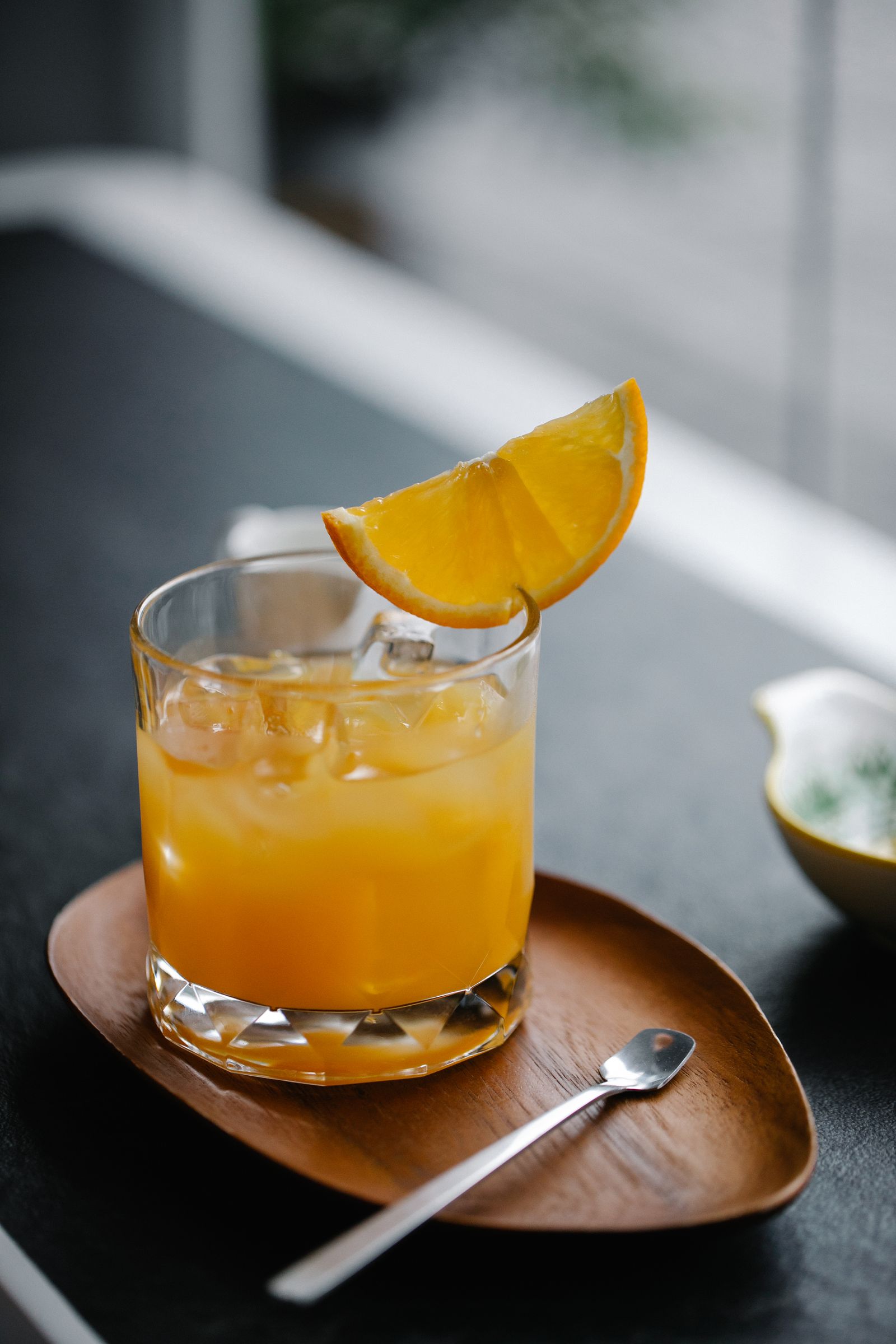
Bitter and soda. Non-alcoholic aperitif or strong chicory infusion over ice, topped with soda and a fat slice of orange. Deliberately austere, and the one people go back to.
Serving matters more than you think
Use the same glassware you would use for the alcoholic version, and garnish it properly. A drink in a proper glass with ice and citrus is treated as a drink. The same liquid in a tumbler with nothing on it is treated as a soft drink, and the person holding it feels the difference.
On the non-alcoholic spirits shelf
The category has expanded quickly and quality varies enormously. Most work better as a component than as a straight substitute, since they carry aroma but little weight. Taste before you commit to a bottle, and check the label: "alcohol-free" and "low alcohol" have different legal meanings depending on the country, and 0.5% is not the same as 0.0%. That distinction matters for anyone avoiding alcohol for medical, religious or recovery reasons.