


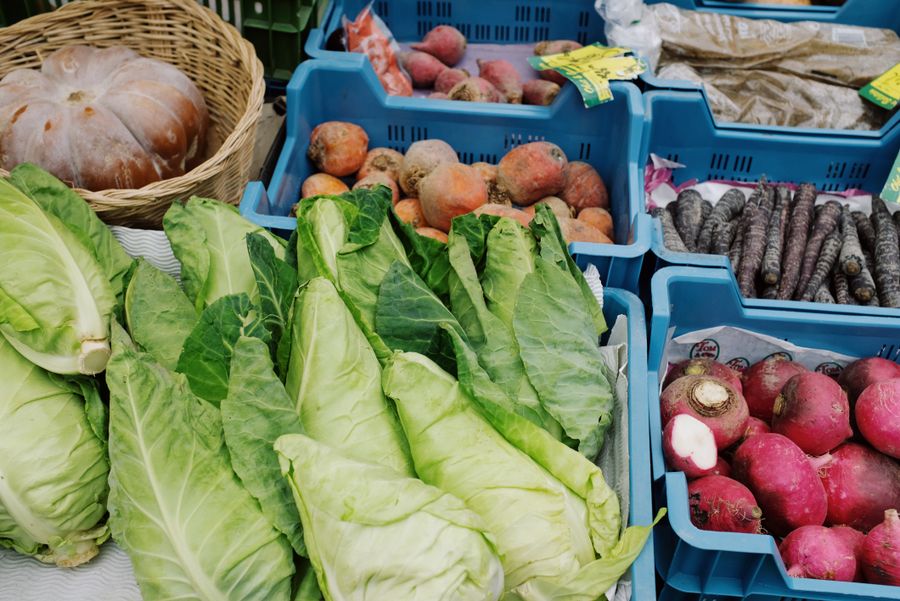
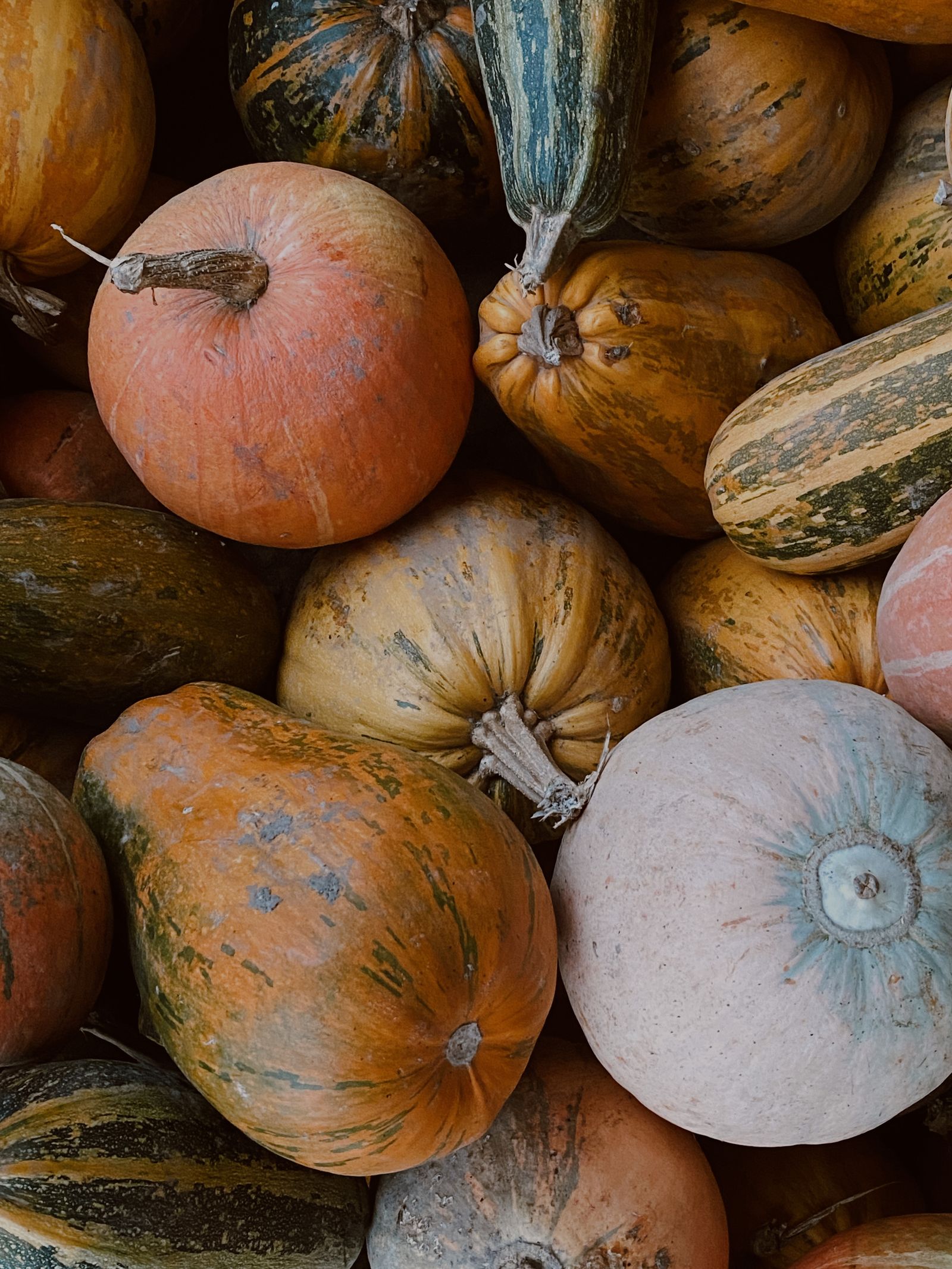
Autumn produce is cheap because there is too much of it, and it is cheap at precisely the moment it is at its best. The trick to eating well in January is not a clever recipe; it is having bought well in October and kept it properly since.
Different vegetables want completely different conditions, and the modern kitchen offers only two: a warm room and a cold fridge. Knowing which items want which, and which want neither, is most of the skill.
The three stores
Cool and dry, around 10 to 15°C. A hallway, an unheated spare room, a garage that does not freeze, the bottom of a cupboard on an outside wall. This is where winter squash, onions, garlic and shallots belong.
Cold and damp, close to 0 to 4°C. The fridge, or a shed in winter. Carrots, parsnips, beetroot, celeriac, swede, cabbage and leeks all keep far longer here than in a warm kitchen.
Cold and dark, but never the fridge. Potatoes. Cold turns their starch to sugar, which makes them sweet, oddly textured and prone to darkening when fried.
Item by item
Winter squash. The star of the autumn store. Cured in the sun for a week after picking, with the stalk left on, a butternut or crown prince keeps three to six months at room temperature. Keep them off each other, check for soft spots, and use any with a nick in the skin first.
Onions, shallots and garlic. Dry, dark, airy. A net bag or an open box, never a sealed plastic bag. Not next to the potatoes: onions give off moisture and gas that encourage potatoes to sprout.
Potatoes. Paper or hessian sack, cool, dark, dry. Light turns them green, and green means solanine, which is bitter and best cut away generously. Sprouts are a sign of warmth.
Carrots, parsnips, beetroot, celeriac. Tops off the moment you get them home, because the leaves keep drawing moisture out of the root. Then a bag in the fridge, or layered in a box of damp sand in a shed, which is the old method and still the best.
Cabbage and other brassicas. Whole, unwashed, loose in the fridge. A firm white or red cabbage keeps for weeks. Peel a leaf off when the outside tires and the inside is fine.
Leeks. Fridge, unwashed, trimmed of the very top. They dry out faster than they rot, so a loose bag helps.
Apples and pears. Cool, in a single layer, not touching. One apple past its best gasses the whole tray into going with it, which is where the saying comes from.
The five mistakes
- Washing before storing. Moisture on the skin is what rot needs. Wash when you cook, not when you shop.
- Sealed plastic. Trapped moisture turns to slime. Perforated bags, paper, or loose.
- Storing everything together. Apples, pears, tomatoes and bananas give off ethylene, which ripens and then ruins whatever is next to it. Keep them away from leafy greens and roots.
- Leaving the tops on roots. They wilt, then they pull the root soft with them.
- Not looking. A weekly glance and a squeeze is the whole maintenance regime. One soft squash found early is one squash; found late it is the shelf.
When something starts to go
Catch it in time and nothing is lost. Soft carrots go into stock or soup. A squash with a bad patch gets cut, trimmed and roasted today. Wrinkled apples become sauce. Sprouting potatoes are fine once the sprouts are rubbed off, as long as the potato itself is firm and not green.
A freezer bag for trimmings in the door, a box of roots in the cold, and a squash on a shelf: that is a January dinner planned in October, and it costs nothing but attention.