

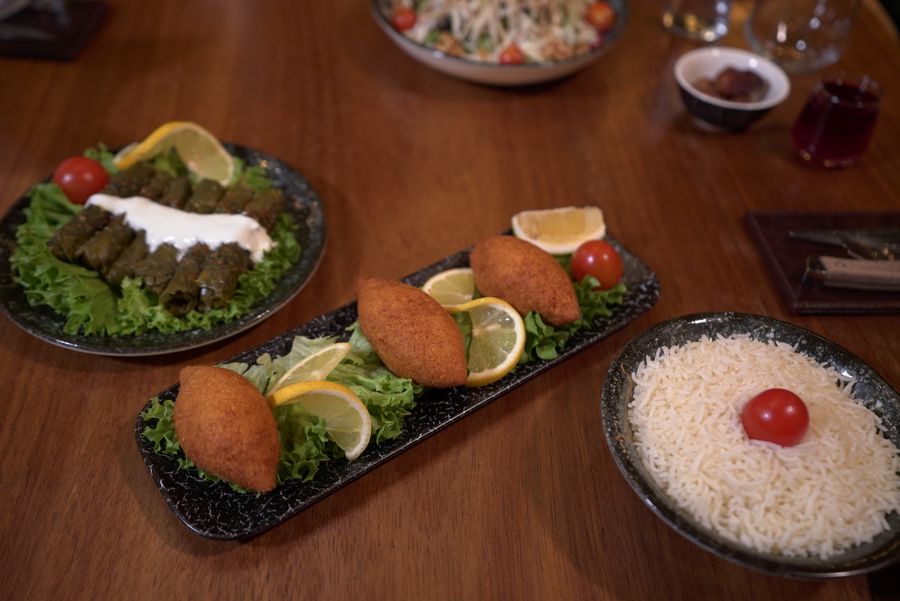
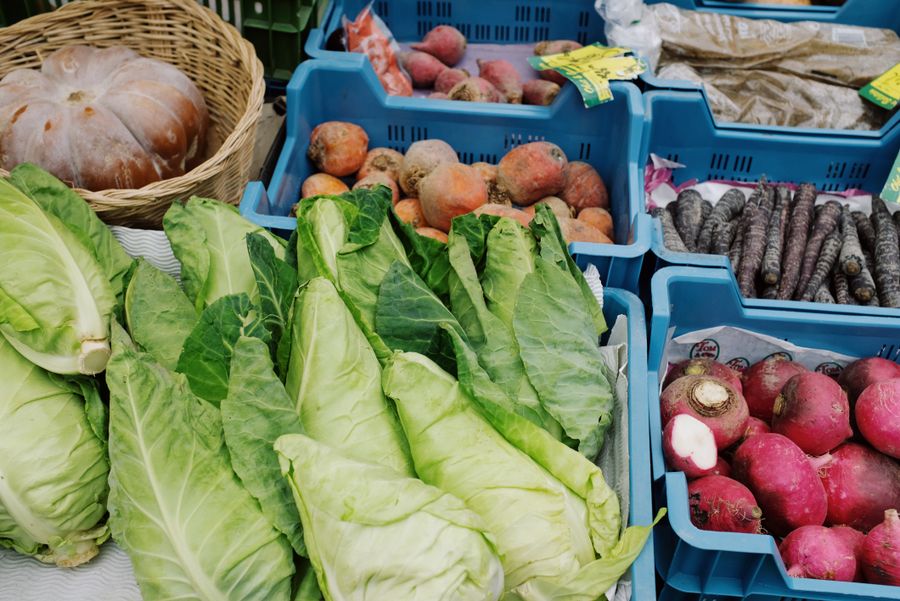
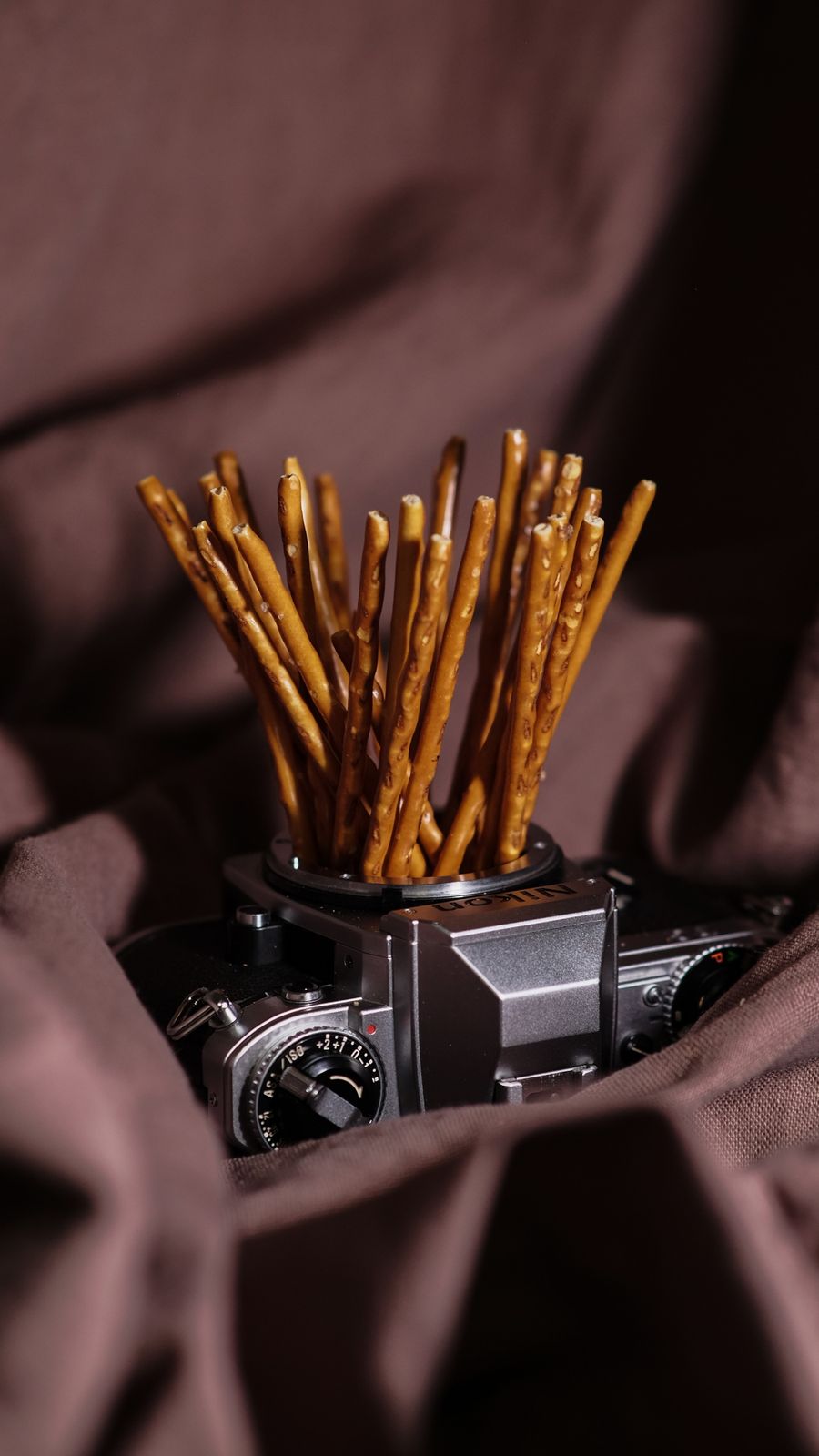
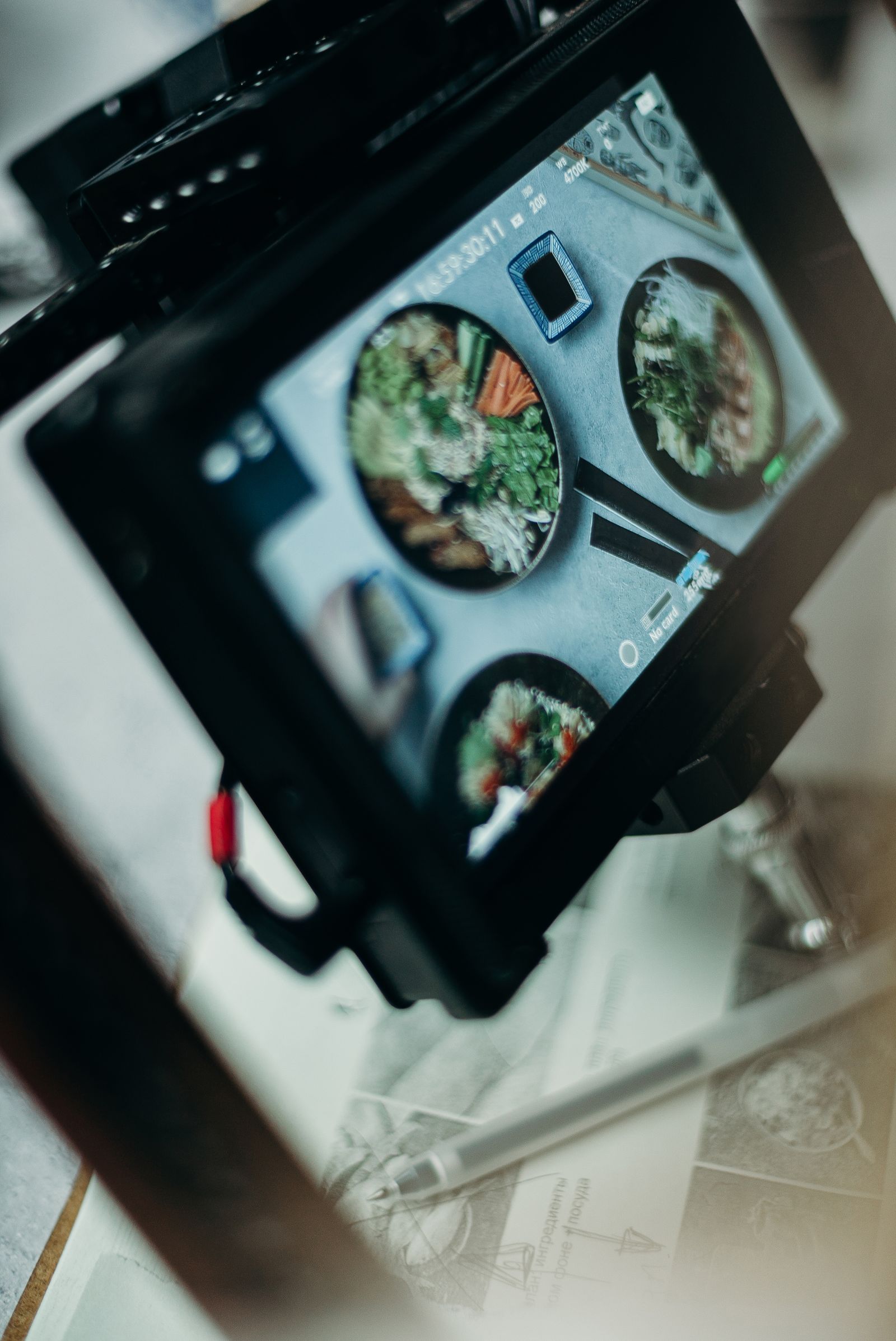
In summer you can shoot dinner at seven in the evening by a window and it looks like a magazine. From late October that window closes, and the food you cook most is cooked in the dark.
The instinct is to fight it: more lamps, higher ISO, a brighter edit. The better answer is usually to stop fighting and shoot the season you are actually in.
Lean into the dark
A dark, moody frame is not a failed bright one. It is a style, and it suits winter food: braises, soups, roasts, bread. The move is to let most of the frame fall to shadow and light only the part you want looked at.
Practically: keep the light on one side, subtract from the other with a piece of black card rather than adding a reflector, and expose for the highlight on the food rather than for the whole scene. If the background goes nearly black, that is the picture working.
Use the three hours you get
Overcast winter daylight is soft and directional, which is exactly what food wants. The problem is quantity, not quality. Two habits fix most of it:
- Shoot components when the light is there. Raw ingredients, the mise en place, the pouring shot, the hands. Assemble the story later even if the final dish is photographed under lamps.
- Move to the window, whatever the window is. A bathroom windowsill with a white board on the floor beats a well-lit kitchen counter with a ceiling light above it. Carry the plate.
Tripod, slow shutter, no panic
Still food does not move. That means you can drop the shutter speed as far as you like instead of raising ISO into noise, provided the camera is on something solid.
A tripod, a two-second self-timer to stop your hand shaking the body, and a shutter of a quarter of a second or slower gets clean files in light that looks hopeless to the eye. A phone works the same way propped against a book, with its night mode doing the averaging.
The one thing you cannot slow down is steam and hands. If the shot needs either, you are back to needing more light.
Mixed light is the real enemy
Winter interiors are full of warm bulbs. Put a plate between a cold grey window and a warm kitchen spot and half the food goes blue while the other half goes orange, and no white balance setting fixes both.
The fix is to pick one and kill the other. Switch the room lights off and use the window. Or close the blind and light it entirely artificially. Never both.
Shoot raw if you can, set white balance deliberately rather than on auto, and use a grey card or even a white plate edge as your reference.
When to give in and buy a light
If you publish on a schedule, at some point January makes the decision for you. One continuous LED panel with a large softbox, placed where the window would have been, replicates window light closely enough that most viewers cannot tell.
Two things matter more than the brand: size, because a big soft source is what makes food look appetising, and a high colour rendering index, because cheap LEDs make green vegetables look grey and meat look purple.
Place it to the side or slightly behind the dish, never in front. Front light flattens the texture, and texture is the entire point of photographing food.
Styling for a dark frame
- Dark, matte surfaces. Slate, unglazed ceramic, a weathered board, a dark linen cloth. Glossy white bounces light everywhere and fights the mood.
- One warm element. A candle just out of frame, a bowl of amber liquid, a copper pan. It reads as warmth without lighting anything.
- Less on the plate. Dark frames get muddy fast. One clear subject, one texture, one bright accent: a squeeze of lemon, green herbs, a wisp of steam.
- Watch the shadows in the food itself. A dark stew in a dark bowl on a dark board is a black rectangle. Something must catch the light: a spoon, a slick of oil, a pale garnish.
Edit gently
The temptation with a dark file is to lift the shadows until everything is visible. Resist it. Lifting shadows is what makes winter photos look grey and noisy. Set the black point properly, let the darkest part of the frame be genuinely black, and adjust the highlight on the food instead.