

Seasonal eating gets described as a discipline, which makes it sound like work. In practice it is the opposite: it removes decisions. When asparagus is everywhere and cheap, you cook asparagus. When it is gone, you stop and wait a year.
This calendar assumes a northern European climate. Shift it a few weeks either way for where you are, and treat the months as fuzzy.
Winter: January and February
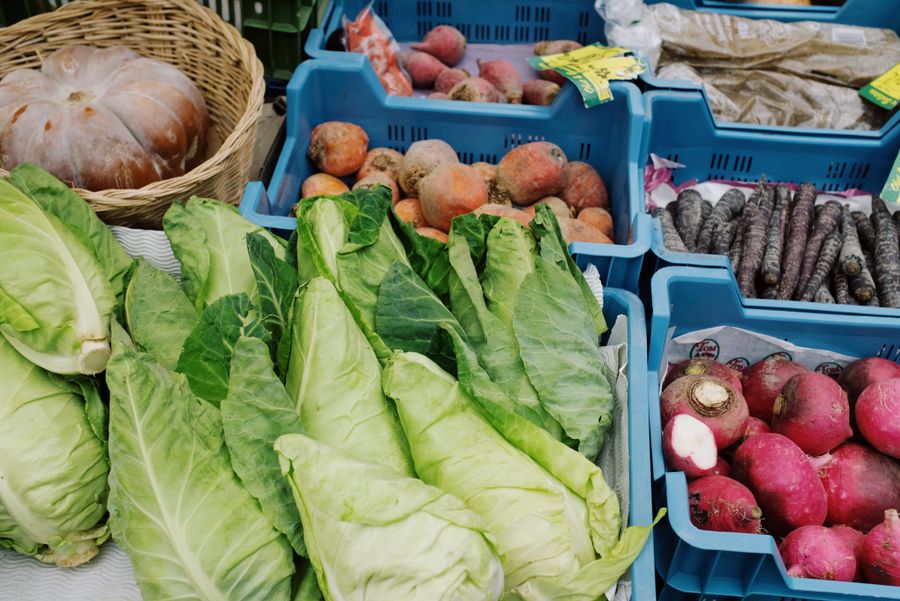
Roots, brassicas and stored apples. Leeks, cabbage of every colour, kale, celeriac, parsnips, swede, beetroot, onions. Citrus is at its best, which is why Seville oranges and marmalade belong to January.
Cook long and hot: roasting and braising turn cheap roots into something worth eating. A cabbage quartered, oiled, salted and roasted hard at 220°C until the edges blacken is better than it has any right to be.
March and April: the hungry gap
The stored winter crops are running out and the new season has not arrived. Historically this was the lean stretch, and it is the month when a strictly seasonal diet gets tedious.
This is what the store cupboard is for. Pulses, grains, preserves, frozen vegetables picked and frozen at their peak. Purple sprouting broccoli arrives to break the monotony, then forced rhubarb, wild garlic in the woods and the first outdoor herbs.
May and June
The kitchen wakes up. Asparagus for a few short weeks, new potatoes, radishes, broad beans, peas, lettuce, spinach, spring onions, strawberries, elderflower.
Cook less. Young vegetables want butter, salt, lemon and a short pan. This is the season where doing almost nothing is the correct technique.
July and August
Peak volume. Tomatoes that actually taste of something, courgettes in unmanageable quantity, beans, cucumbers, sweetcorn, peppers, aubergines, soft fruit and the first plums.
Two habits earn their keep here. Eat things raw or barely cooked while they are this good. And start preserving, because August is when a glut becomes a January dinner: roast and freeze tomatoes, freeze berries on a tray before bagging them, pickle cucumbers and beans.
September and October
The best month to cook, arguably. Late tomatoes overlap with the first squashes. Apples and pears, plums, blackberries, sweetcorn, mushrooms, leeks, the first proper cabbages, main-crop potatoes.
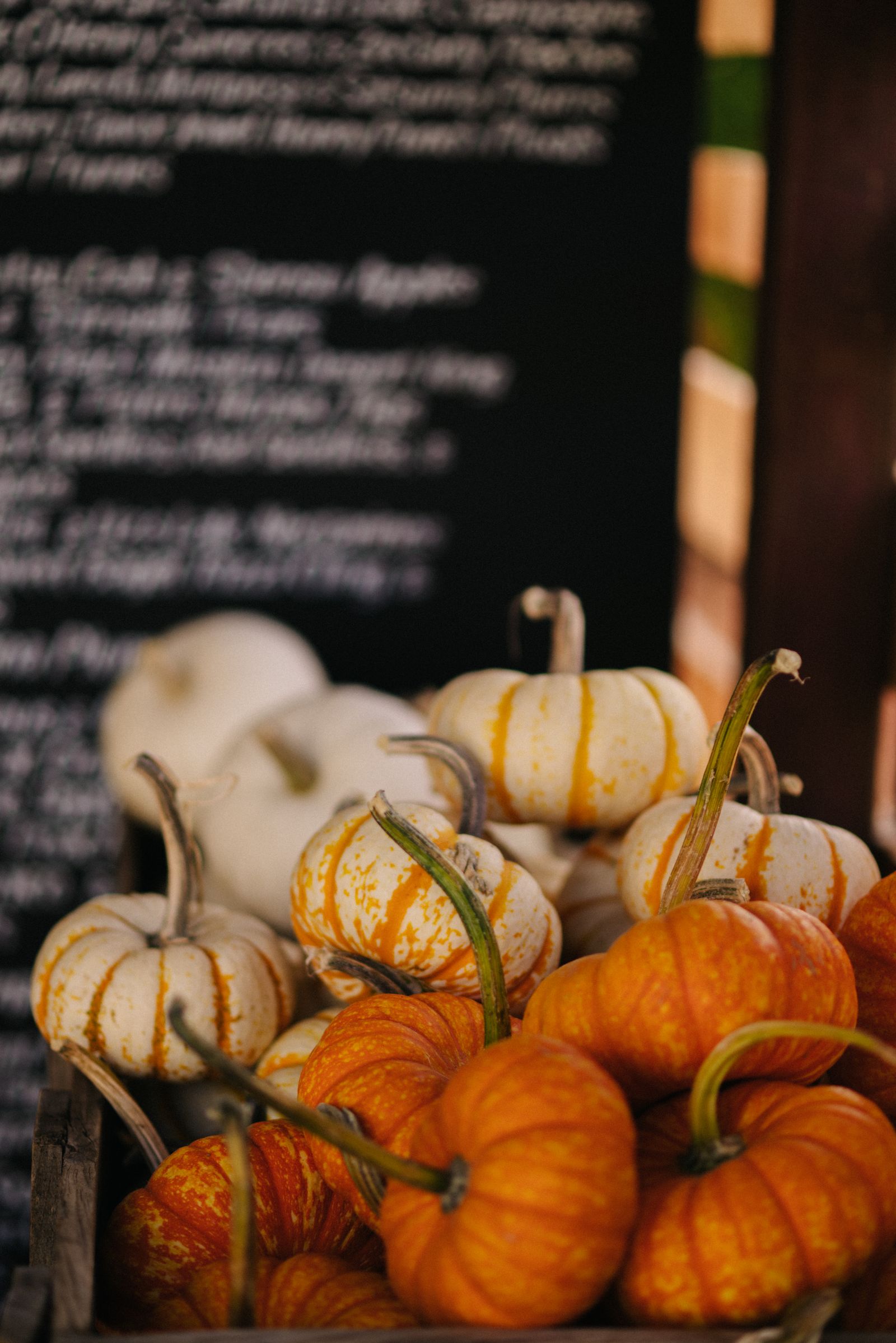
Squash keeps for months in a cool dry room, which makes it the most useful thing you can buy in October. Roast it whole, cut side down, and it is halfway to soup, pasta sauce or a traybake.
November and December
Back to roots and brassicas, plus sprouts, celeriac, chicory, kale after the first frost, which sweetens it. Stored apples, pears, nuts, and imported citrus starting to be good again.
This is stock and stew territory. It is also when the freezer work from August pays off.
What to do with a glut
- Courgettes: grate and salt for fritters, or slice thin and roast in a hot oven until they collapse.
- Tomatoes: halve, oil, salt, 140°C for two hours, then freeze in bags. Better than any tin in February.
- Berries: freeze in a single layer on a tray first, then bag, so they stay separate.
- Apples: stew without sugar and freeze in portions. It becomes crumble, breakfast, or a sauce for pork.
- Herbs: blitz with oil, freeze in cubes.
Frozen is not cheating
Frozen peas, spinach and berries are usually processed within hours of harvest, which means they often beat the fresh equivalent that has spent a week in transit. Seasonal eating is about eating things at their best, and sometimes the freezer aisle is where that is.
The simplest rule
Buy what is piled high and cheap where you shop, especially at a market. Price still tracks the season closely. If something has become abundant and affordable, it is because a lot of it just came out of the ground nearby, and that is exactly what you want to be cooking.