

Household food waste is rarely a single bad decision. It is a slow accumulation: half an onion, a bag of spinach behind the milk, herbs bought for one recipe. By the time you notice, it is a bin job.
You do not need an app or a spreadsheet. Three habits catch most of it, and one of them is a bag in the freezer.
The scraps bag
Keep a large freezer bag or tub in the freezer. Every time you prep vegetables, the trimmings go in. When it is full, it becomes stock.
Save: onion tops and skins (skins add colour), leek greens, carrot ends and peels, celery leaves and bases, herb stalks, mushroom stems, fennel fronds, corn cobs, parmesan rinds, chicken bones and roast carcasses in a separate bag.
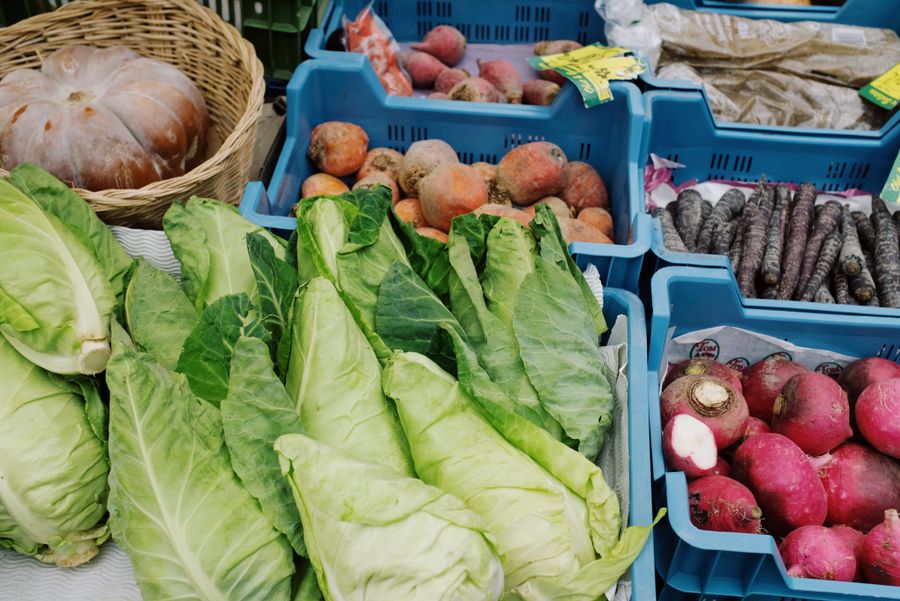
Leave out: brassicas such as cabbage, broccoli and sprouts, which turn stock sulphurous; potato peels, which make it cloudy and starchy; anything mouldy or slimy, which makes it bad; and beetroot, unless you want everything pink.
To use it: tip the frozen contents into a pot, cover with water, add a bay leaf and a few peppercorns, bring to a bare simmer and leave for an hour, longer for bones. Do not boil hard, or it goes cloudy. Strain, cool quickly, freeze in the portions you actually cook with.
The eat-me-first shelf
Pick one shelf, ideally at eye level, and put everything that needs using on it. Leftovers, the half-used jar, the vegetables past their best. Look there before you cook anything, and before you write a shopping list.
Most waste is not a decision to throw food away. It is food that was never seen. A shelf fixes the seeing.
Friday is fridge night
One dinner a week made entirely from what is already there. It does not need a recipe, because four shapes cover almost everything:
- Fried rice or noodles. Anything from the vegetable drawer, cold cooked grain, egg, soy, something spicy.
- Frittata or tortilla. Eggs, cooked potato, any cheese, any green. Slow heat, finish under the grill.
- Soup. Onion, garlic, whatever is left, stock from the scraps bag, blitz or not.
- Traybake. Everything chopped to a similar size, oil, salt, hot oven, a sauce at the end.
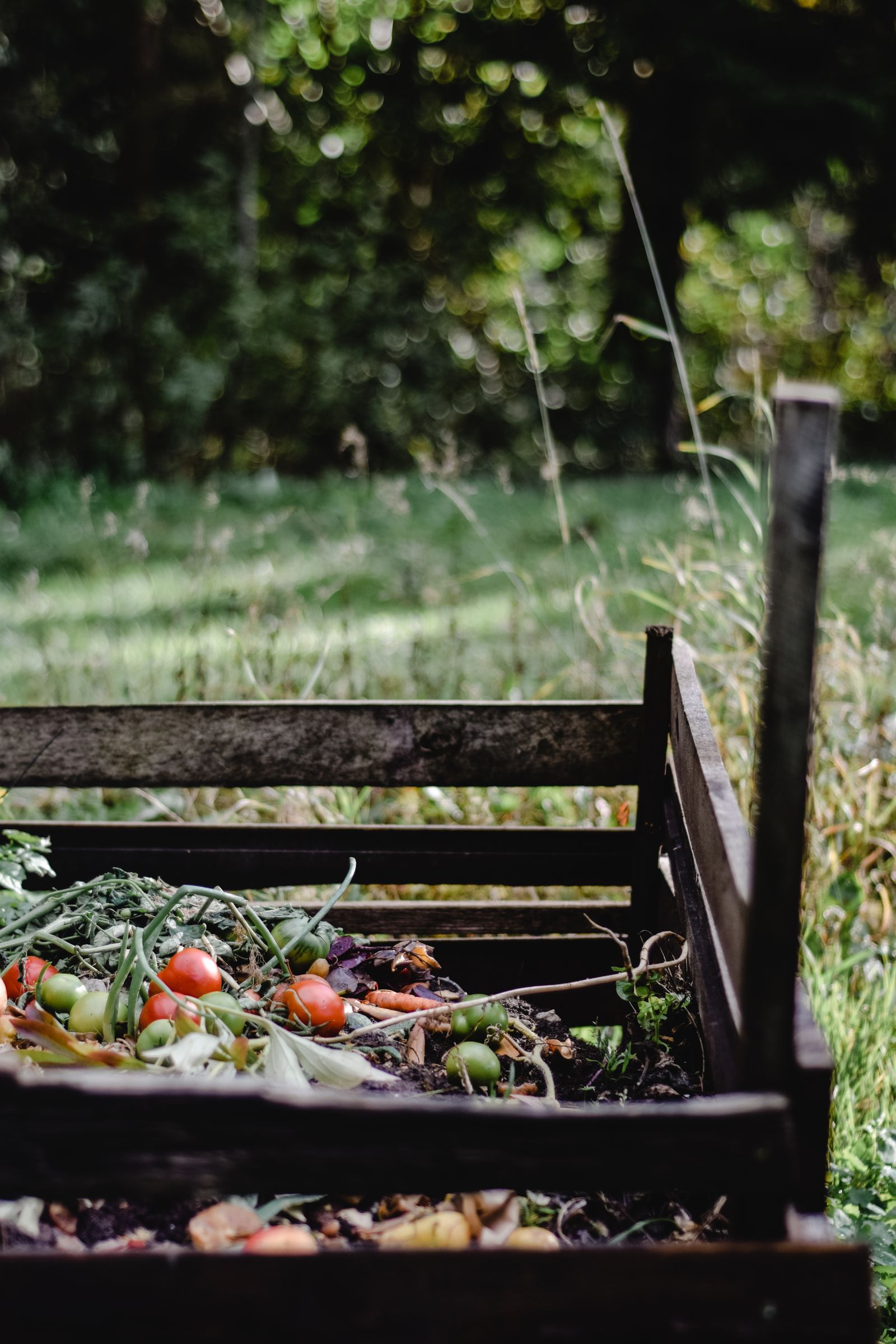
Anything that survives Friday and still will not be eaten gets frozen or composted on Saturday, so the following week starts clean.
Storage that buys days
- Herbs keep for a week or more standing in a glass of water, loosely covered, like flowers. Or blitz them with oil and freeze in an ice cube tray.
- Bread goes stale fastest in the fridge. Keep it out for two days, freeze the rest sliced, toast from frozen.
- Leafy greens keep longer with a dry cloth or paper in the bag to absorb moisture.
- Onions, garlic and potatoes want somewhere dark, dry and airy, and they do not want to be together: onions make potatoes sprout.
- Tomatoes and stone fruit lose flavour in the fridge until they are fully ripe, then go in to slow them down.
Read the dates properly
"Use by" is a safety date and worth respecting on meat, fish and dairy. "Best before" is a quality date, and plenty of food is fine well past it. Look, smell, taste a little. Your senses were the original food safety system and they still work, with the exception of anything that could have been contaminated rather than simply aged.
The offcuts worth eating
Broccoli stalks peeled and sliced are as good as the florets. Cauliflower leaves roast like crisps. Stale bread becomes croutons, breadcrumbs or panzanella. Herb stalks blend into pesto. Bacon fat and roasting fat, strained into a jar, is the best thing you will fry potatoes in this month.
Buy for the week you actually have
Most waste starts at the shop, with optimism about how much cooking you will do. If Wednesday is usually a late night, do not buy Wednesday's fresh ingredients. Buy for four dinners, not seven, and top up midweek. That single change usually does more than every storage trick combined.