


Protein is having a long moment. It is printed on biscuit wrappers, ice cream tubs and bottled water, usually on products that were never short of it or never needed it. The underlying idea is sound. The execution in the supermarket mostly is not.
What follows is general information about food, not dietary advice. If you have a health condition, are pregnant, or are being treated for anything that affects your diet, a doctor or dietitian should be the one setting targets.
Why it gets attention
Protein does three useful things. It is the raw material for maintaining muscle, it is more satiating per calorie than carbohydrate or fat for most people, and it is the nutrient most easily undershot by people eating quickly and out of packets. Older adults and anyone eating less overall are the most likely to fall short.
None of that means more is always better, and none of it means the protein has to arrive as powder.
The distribution problem
Most people eat very little protein at breakfast, a moderate amount at lunch and a large amount at dinner. The daily total can look fine while three quarters of it lands in one evening meal.
Spreading it out is the easiest change available, and it usually means fixing breakfast, because that is where the gap is. Toast and jam, cereal with a splash of milk, a pastry on the way to work: all fine food, all close to protein-free.
Breakfasts that carry weight
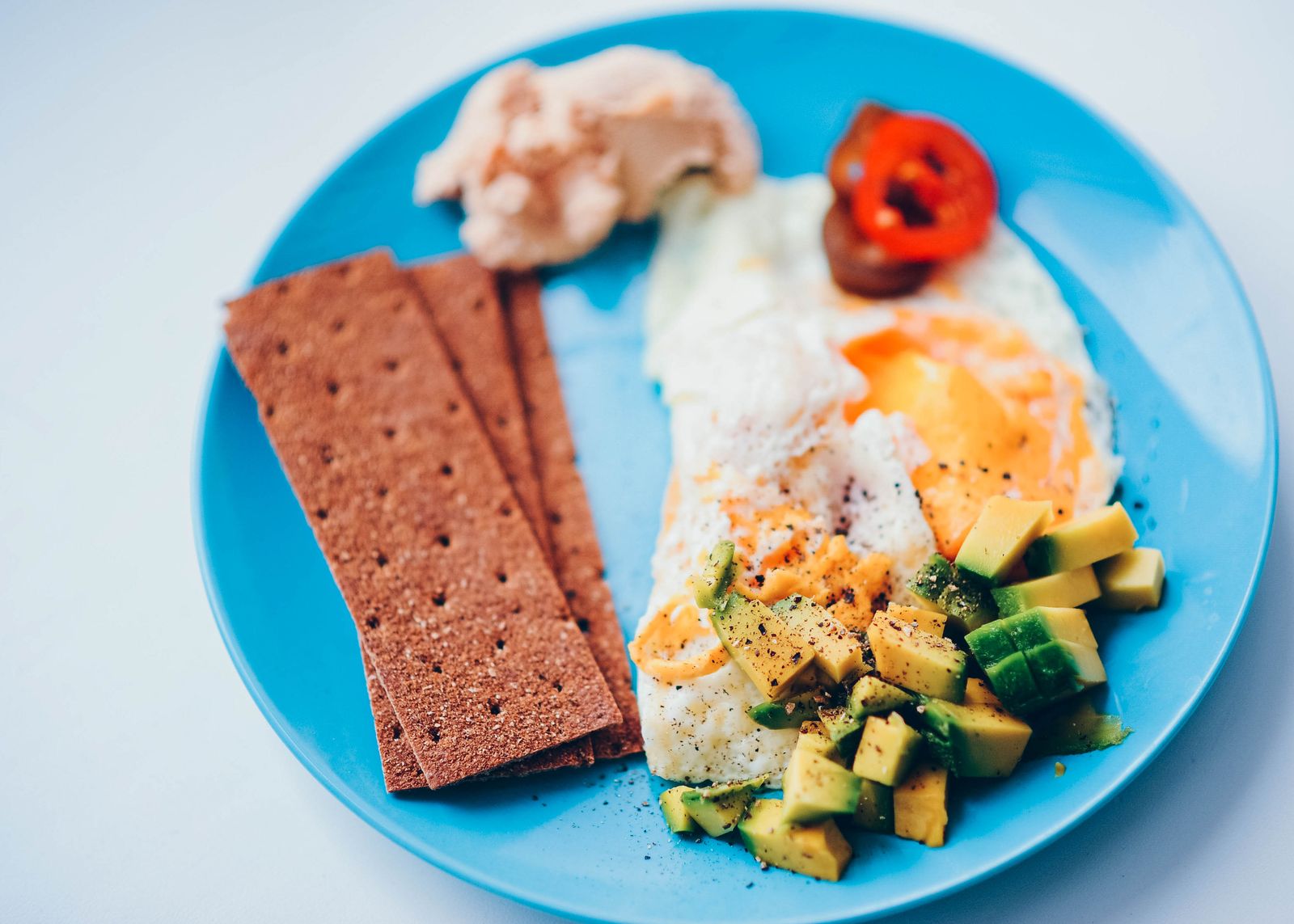
- Eggs, any way. Two eggs, some bread, something green.
- Greek yoghurt or skyr with fruit and nuts. Thick strained yoghurt has roughly twice the protein of the runny kind.
- Cottage cheese on toast with black pepper and olive oil. Unfashionable, cheap, effective.
- Overnight oats made with milk rather than water, with seeds stirred through.
- Leftover dinner. There is no rule that breakfast must be breakfast food. Rice and beans at eight in the morning is a normal meal in most of the world.
Where protein actually lives
Roughly in descending order of density: meat, fish and poultry; eggs and dairy, especially strained yoghurt and cottage cheese; pulses such as lentils, chickpeas and beans; tofu and tempeh; nuts and seeds; and in smaller but real amounts, bread, oats and other grains.
That last group matters more than people assume. A day built on bread, oats, rice and pulses accumulates a decent amount of protein without a single obvious protein food in sight.
Plant protein needs a little more thought
Plant proteins tend to be lower in one or another essential amino acid and are digested slightly less efficiently. In practice a varied plant-based diet handles this on its own: pulses with grains, tofu with rice, beans with bread. The old advice about combining proteins within a single meal has been relaxed; across a day is enough.
Soy, as tofu, tempeh or edamame, already contains a full spread of amino acids, which is why it does so much work in plant-based cooking.
A meal shape rather than a number
- Breakfast: eggs, thick yoghurt or cottage cheese.
- Lunch: tinned fish, leftover meat, hummus with plenty of bread, or a bowl of lentils.
- Dinner: the meal that already had it covered.
- Snacks, if you have them: nuts, cheese, yoghurt, roasted chickpeas. Not a protein bar with more sugar than a chocolate biscuit.
Fibre is the one nobody markets
While protein gets the packaging, fibre gets ignored, and most people in Western countries fall well short of recommendations. Conveniently, the best plant proteins are also the best fibre sources: beans, lentils, chickpeas, wholegrains, nuts and seeds do both jobs at once.
A bowl of lentils does more for an ordinary diet than a scoop of powder, and it makes a better dinner.
The short version
Fix breakfast, keep pulses in the cupboard and thick yoghurt in the fridge, and stop reading the front of packets. The foods that solve this are the boring ones in the cheapest aisles.