



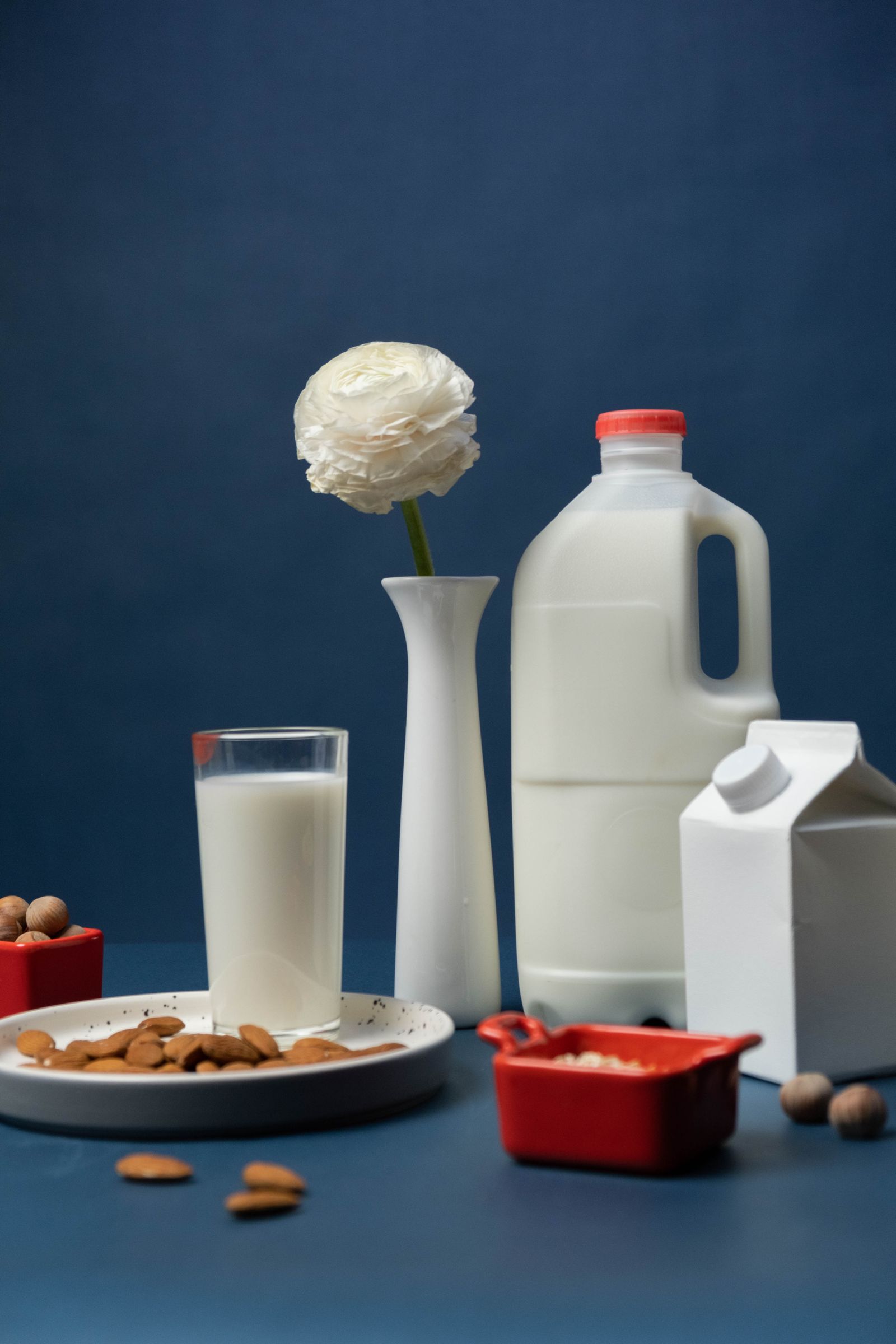
The plant milk aisle keeps growing and the cartons all promise the same thing. In cooking they behave very differently, mostly because of how much protein, fat and starch each one carries.
Oat
The all-rounder, and the reason baristas stopped complaining. It is naturally slightly sweet and starchy, which gives body, and the barista versions have added fat so they foam and resist splitting.
Good for: coffee, porridge, creamy soups, pancakes, béchamel. Watch out for: the sweetness, which shows up in savoury sauces, and thinning when heated hard, since the starch behaves like starch.
Soy
The highest in protein and closest to dairy nutritionally. Protein means structure, so it sets and thickens where others stay loose.
Good for: baking, custards, anything you want to set, savoury sauces. It is the only one that reliably makes something resembling buttermilk when you add lemon or vinegar. Watch out for: curdling in acidic coffee. That is the protein reacting to acid and heat, not the milk being off. Warm it first, pour slowly, and choose a less acidic roast.
Almond
Thin and mildly nutty, and usually mostly water. Good when you want liquid without much character.
Good for: smoothies, cereal, light baking. Watch out for: sauces, where it stays watery, and coffee, where it splits readily and foams poorly.
Coconut
Two different products with the same word on them. Tinned coconut milk is a cooking ingredient: high fat, rich, splits into cream and water if boiled hard. Carton coconut drink is mostly water and is for cereal.
Good for: curries, ice cream, rich soups. Watch out for: using the carton where a recipe means the tin, which is the single most common disappointment in the category.
Cashew
Creamy and neutral, especially the ones you make yourself by blending soaked cashews with water. That homemade version is the best dairy substitute for sauces, because it is essentially emulsified fat.
Good for: creamy pasta sauces, soups, anything wanting silkiness without flavour. Watch out for: price, and the blender needing to be a decent one.
Rice and pea
Rice milk is sweet, thin and allergen-friendly, but it adds almost nothing structurally. Pea protein milk is a newer arrival with soy-like protein levels and a mild flavour; it performs well in coffee and baking and is worth trying if soy is off the table.
Practical swaps
- Béchamel or white sauce: soy or oat. Make the roux as normal; the sauce will be slightly thinner, so cook it a minute longer.
- Cake: soy or oat, with a tablespoon of vinegar if the recipe wants buttermilk.
- Custard: soy, for the protein set. Add a little cornflour as insurance.
- Coffee: a barista oat or soy version. The word barista here means added fat and stabilisers, which is exactly what stops it splitting.
- Curry: tinned coconut, added towards the end and never boiled hard.
Read the label once
Sugar content varies a lot between brands and "unsweetened" is worth seeking out for cooking. Many are fortified with calcium and B12, and organic versions often are not, which matters if a plant milk is doing the job dairy used to in someone's diet. That is general information rather than nutritional advice; a dietitian is the right person to ask about a specific diet.