



This is general information about food and cooking, not medical or dietary advice. If you have diabetes, are pregnant, take medication that affects blood sugar, or have been given a plan by a professional, that plan wins over anything on a food blog.
With that said: how a meal is built changes how long it holds you, and most people notice the difference within a week of changing it.
What each part does
Carbohydrate is the fastest fuel. On its own, especially in refined forms, it is digested quickly and the fullness fades quickly with it.
Protein is the most satiating of the three for most people, and it is the part missing from the classic toast-and-jam or plain-pasta meal.
Fat slows digestion and carries flavour. It also makes vegetables worth eating, which matters more than any nutrient argument.
Fibre adds bulk and slows things further. Wholegrains, pulses, vegetables with their skins, nuts and seeds.
A meal with all four behaves very differently from a meal with one, even at similar calories.
The plate shapes that work
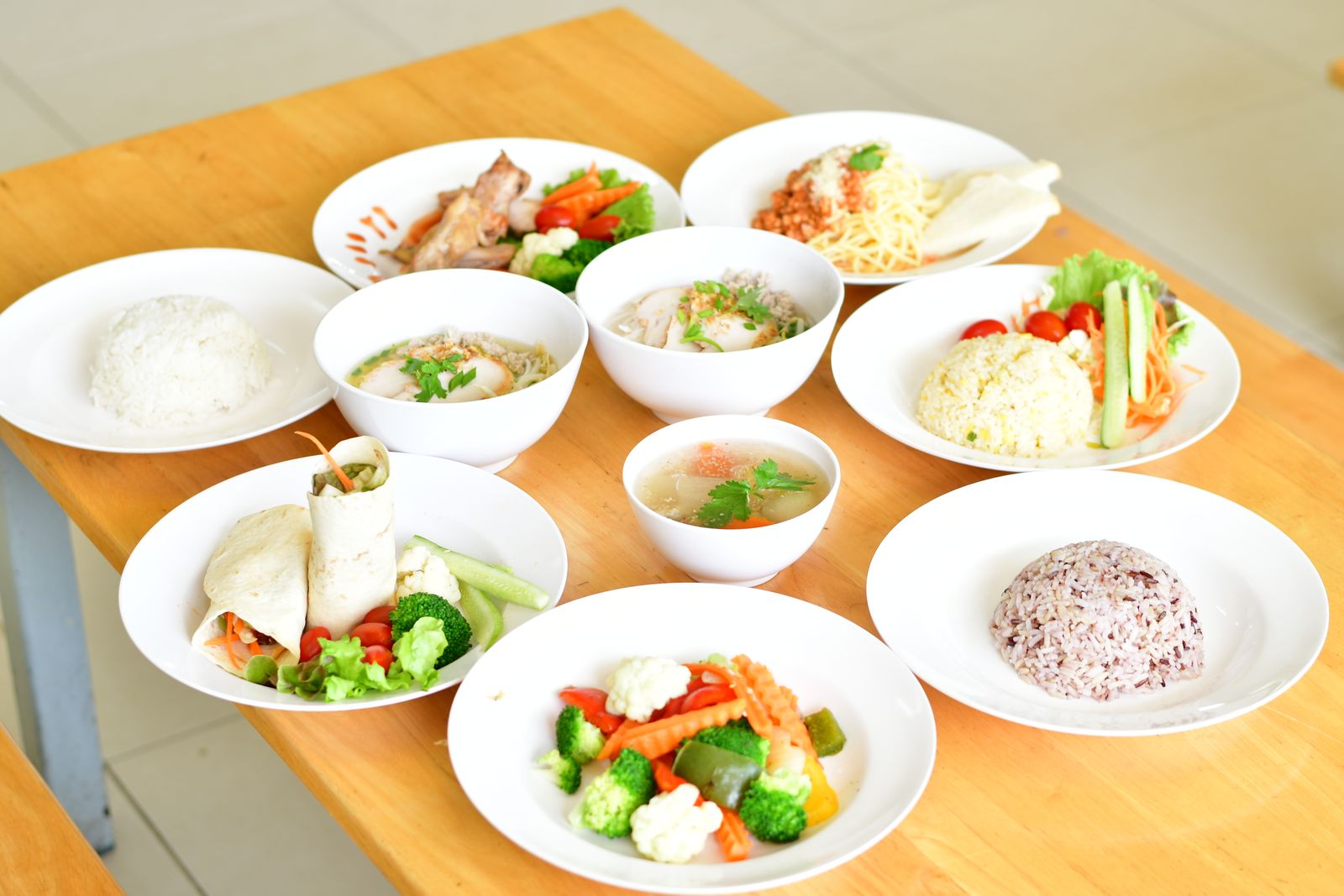
No measuring required. Aim for a plate that has:
- a protein anchor: eggs, fish, meat, tofu, pulses, thick yoghurt, cheese;
- something with fibre: vegetables, salad, wholegrains, beans;
- a fat: olive oil, nuts, seeds, avocado, dairy;
- carbohydrate as part of the meal rather than the whole of it.
Toast becomes toast with eggs and tomatoes. Pasta becomes pasta with beans and greens and a lot of olive oil. Cereal becomes yoghurt with fruit, oats and nuts.
Order matters a little
There is research interest in eating vegetables and protein before the carbohydrate portion of a meal, and it seems to blunt the rise in blood sugar afterwards for many people. It is a small, free thing to try: salad first, then the rest.
Treat it as a nudge rather than a rule. The composition of the meal matters more than the sequence.
Drinks count
Liquid sugar arrives fast and brings no fibre, protein or fat with it. Juice behaves much more like a soft drink than like the fruit it came from. Whole fruit, with its fibre intact, is a different proposition.
The four o'clock slump
Look at lunch. A sandwich alone, a pasta salad, a pastry on the way back to your desk: these are largely carbohydrate. Add protein and fat and the afternoon usually flattens out.
Fast fixes: a tin of fish or a boiled egg with the sandwich, a handful of nuts, thick yoghurt instead of a biscuit, or leftovers from dinner instead of a bought lunch.
What this is not
It is not a case for cutting out carbohydrate, which is a fuel, not a villain. It is not a claim that any particular way of eating prevents disease. And it is not a reason to eat food you dislike: a plate you enjoy and repeat beats an optimal one you abandon.
Three meals in this shape
Breakfast: thick yoghurt, oats soaked overnight in milk, a handful of walnuts, fruit.
Lunch: chickpeas dressed with olive oil, lemon and cumin, over leaves, with feta and bread.
Dinner: roast chicken thighs, potatoes, a big pile of greens with plenty of oil, mustard in the pan juices.
Nothing there is unusual. That is rather the point: the change is structural, not exotic.