


Dried beans are cheaper, and we have written in praise of them elsewhere. But beans ask you to have decided yesterday. Lentils ask nothing. They go from a bag to dinner inside half an hour, and they will absorb any flavour you point at them.
Which lentil does what
Red and yellow split lentils. No skin, so they collapse. Fifteen to twenty minutes to a soft purée. This is the dal lentil and the thickening lentil. Never use them where you want anything to hold its shape.
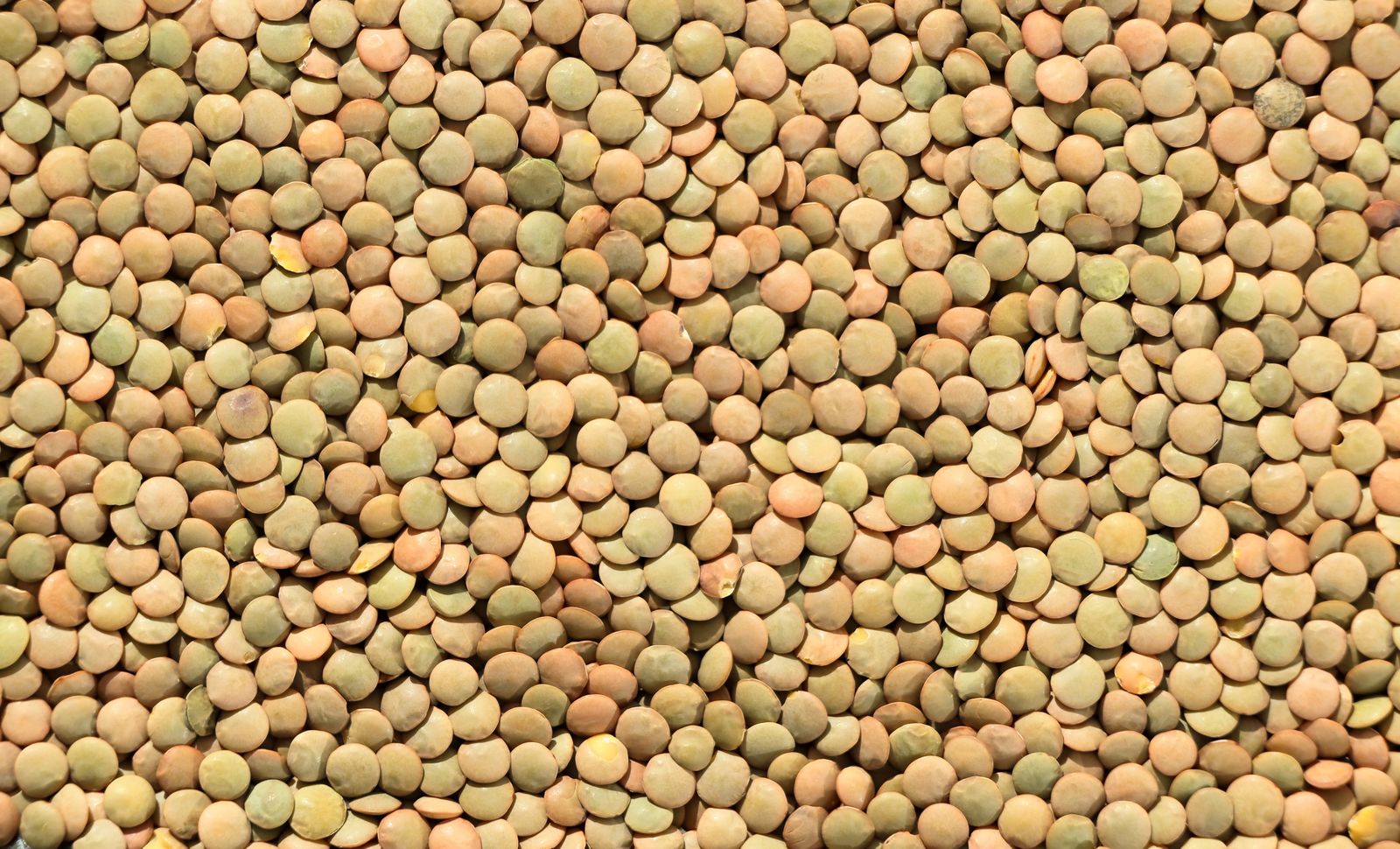
Brown and green lentils. The supermarket default. Twenty-five to thirty minutes, soft but mostly intact, slightly earthy. The all-rounder for soups, ragùs and lentil-and-sausage dishes.
Puy and other small dark-green lentils. Firmer skin, hold their shape properly, around twenty-five minutes. Salad lentils, and the ones to use when the lentils are the point rather than the thickener.
Beluga. Small, black, glossy, hold up well. Same uses as Puy, and the best looking on a plate.
None of them need soaking. Rinse them, pick out any small stone, and cook.
Three rules that decide the texture
Salt at the start is fine. The old warning about salt toughening pulses applies to long-cooked beans far more than to lentils, and cooking them in seasoned liquid tastes considerably better than salting at the end.
Acid at the end, always. Tomato, vinegar, lemon and wine slow the softening down noticeably. Add them once the lentils are already tender, or accept a much longer cook.
Do not boil hard. A gentle simmer keeps skins on. A rolling boil knocks them off and turns a lentil salad into a lentil soup.
Cook them in something
Lentils simmered in water taste like lentils simmered in water. Almost nothing is gained by making the liquid interesting and almost everything is lost by not doing it.
The minimum: a bay leaf, half an onion and a clove of garlic in the pan, all fished out at the end. Better: stock, a parmesan rind, a strip of bacon, a dried chilli, a spoon of miso. The lentils drink whatever is there.
Three dishes, roughly
Lentil soup that tastes like more than lentils. Soften onion, carrot and celery properly, ten minutes, then add cumin and a spoon of tomato purée and let it darken. 250g red lentils, a litre of stock, twenty minutes. Blitz or leave chunky. Finish with lemon and a swirl of yoghurt or good oil, and a scatter of anything crisp.
Puy lentils with something green and something sharp. Cook Puy lentils in stock until firm-tender, drain. While hot, dress with mustard, red wine vinegar and olive oil, because hot lentils take dressing in a way cold ones do not. Then fold in whatever you have: roast squash, wilted chard, feta, walnuts, a jammy egg.
The half-and-half ragù. Replace half the mince in a bolognese or shepherd's pie with brown lentils. Nobody at the table notices, the dish goes further, the cost drops and the fibre goes up. This is the single most useful lentil trick in a family kitchen.
Cooking a batch
Cooked lentils keep four or five days in the fridge and freeze well. A tub of plain cooked Puy lentils turns into lunch in under a minute: dressing, herbs, anything left over from last night. Undercook a batch slightly if you know it is going into a soup later.
Tinned lentils are a perfectly reasonable shortcut. Rinse them well, taste before seasoning, and accept that they are softer than anything you would cook yourself. For a fast weeknight dal or a soup that will be blitzed, the difference does not matter.