

Gut health is now a marketing category, which makes it hard to see what is actually supported. Research here is genuinely active and genuinely unfinished, so what follows is the shape of current thinking rather than a set of promises. It is general information about food, not medical advice. Anything involving symptoms, a diagnosis or medication belongs with a doctor or dietitian.
Three things that get confused
Fermented foods are foods transformed by microbes: yoghurt, kefir, sauerkraut, kimchi, miso, tempeh, sourdough. Some contain live cultures when you eat them, some do not.
Probiotics are specific strains of live micro-organisms given in defined amounts, usually as supplements. Effects are strain-specific, which is why the word "probiotic" on its own says very little.
Prebiotics are the fibres that feed the bacteria already living in your gut: onions, garlic, leeks, oats, bananas, pulses, and most whole plant foods.
The third category gets the least attention and has the broadest support. Feeding the microbes you already have is less glamorous than adding new ones, and probably matters more.
Fibre first
Most people in Western countries eat well below the fibre recommendations in their country. Fibre does several unrelated jobs: it adds bulk, it slows digestion, and the fermentable kinds feed gut bacteria that produce short-chain fatty acids, which is where much of the current research interest sits.
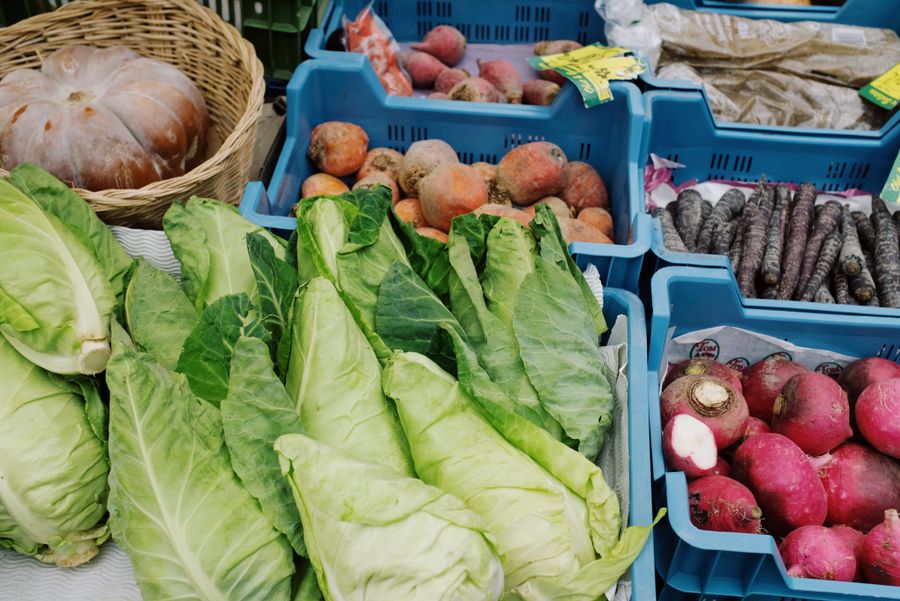
The practical advice is unexciting and hard to argue with. More plants, more variety, more of them whole: beans and lentils, wholegrains, nuts, seeds, fruit and vegetables with their skins on. Variety appears to matter as much as quantity, because different fibres feed different organisms.
Which fermented foods still contain live cultures
Fermentation is a process, not a guarantee of live bacteria on your plate. Heat kills cultures, so anything baked, cooked or pasteurised after fermenting arrives without them.
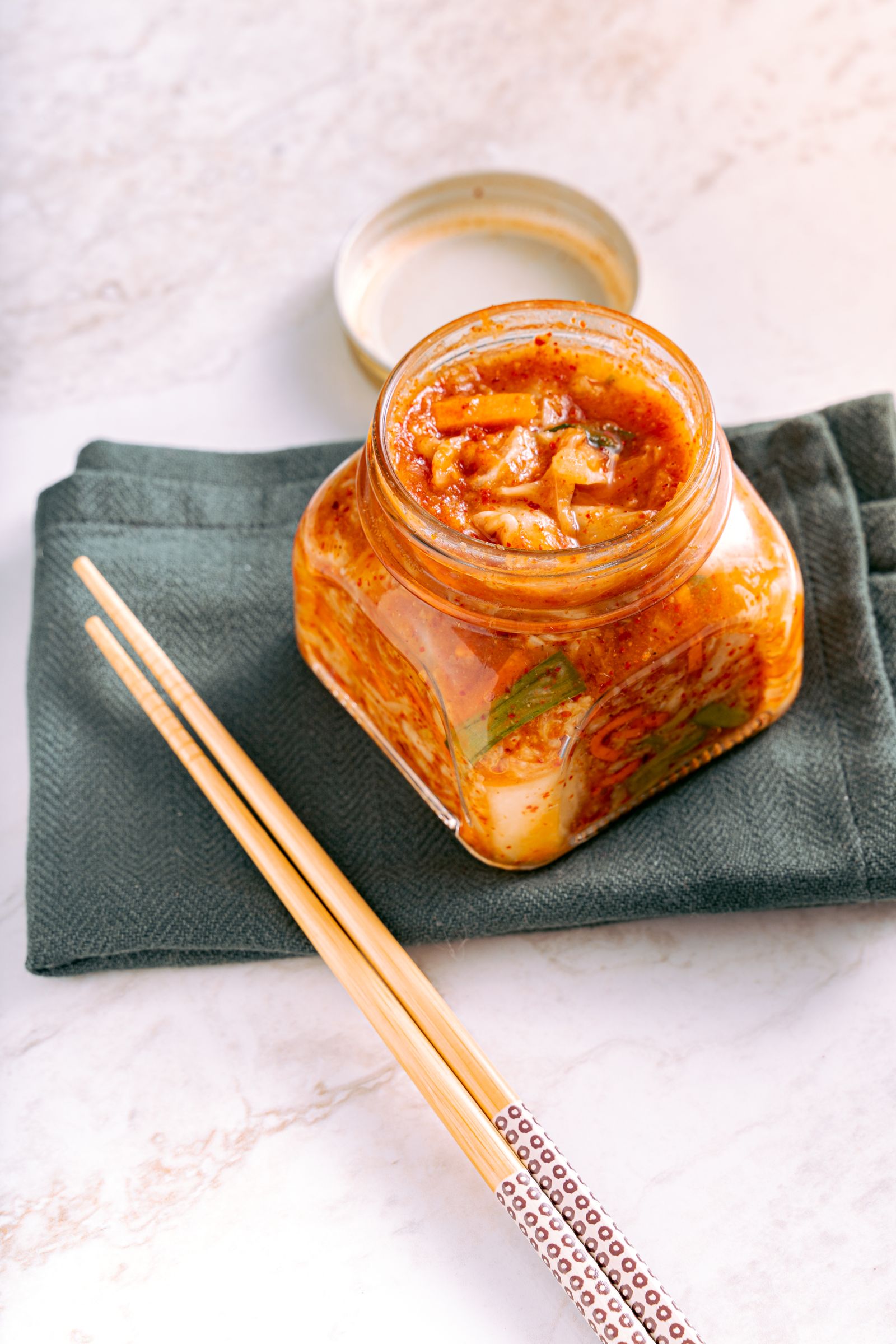
- Live: yoghurt and kefir with cultures listed, unpasteurised sauerkraut and kimchi from the chilled section, live-culture cheeses, kombucha.
- Not live by the time you eat it: sourdough bread, tempeh once cooked, miso added to boiling soup, shelf-stable sauerkraut from a warm shelf, and most supermarket pickles, which are preserved in vinegar rather than fermented at all.
The non-live ones are not pointless. Fermentation changes flavour, breaks down some compounds and can improve digestibility. It is simply not delivering bacteria.
The practical supermarket test: chilled aisle, "live cultures" on the label, and no vinegar in the ingredient list of your sauerkraut.
Start slowly
Going from a low-fibre diet to a plate of beans and sauerkraut in one day produces predictable discomfort. Bacterial populations shift over weeks, not hours. Add one new thing at a time, in small amounts, and build up over a fortnight. Drink more water while you do it, because fibre without fluid is uncomfortable in the other direction.
People with IBS, inflammatory bowel disease or a history of gut surgery are a different case entirely, and some high-fibre foods can make symptoms worse. That is a conversation for a dietitian, not a blog post.
A realistic week
- A spoon of kimchi or sauerkraut next to dinner a few times a week, added at the table rather than cooked.
- Thick yoghurt or kefir at breakfast.
- Pulses in two or three meals a week.
- Wholegrain instead of white where you genuinely prefer it, since a change you dislike will not last.
- Something green at most meals, without measuring it.
What to be sceptical about
Microbiome test kits sold directly to consumers currently promise more than the science can deliver for an individual. Expensive probiotic supplements marketed for general wellbeing, rather than for a specific studied condition, are similarly optimistic. And a drink with a health claim on the front and a long sugar figure on the back is a soft drink with a good agency behind it.
The unglamorous answer holds: eat more plants, more kinds of them, and keep a jar of something fermented in the fridge.