

Somewhere around the age of two, a child who ate everything decides that food touching other food is an outrage, that green is suspicious, and that yesterday's favourite dinner is now inedible. This is normal. It is also exhausting, particularly at half past five on a Wednesday.
The useful thing to know is that almost nothing you say at the table changes it. What changes it is the shape of the meal around it.
Decide who decides what
The clearest framework for this splits the job in two. The adult decides what is served, when it is served and where. The child decides whether they eat and how much. That is the whole arrangement, and most mealtime fights are one side reaching into the other side's half.
Insisting on three more forkfuls is reaching into their half. So is letting a four-year-old commission a separate dinner. Hold your side, let them hold theirs, and the table gets quieter within a couple of weeks.
One meal, served in parts
Cooking two dinners teaches everyone that refusal produces a better offer. Cook one, but serve it deconstructed: the sauce in a bowl rather than over the pasta, the components side by side rather than stirred together. Adults can combine their own plate. Children who reject a bolognese will frequently eat pasta, then mince, then a bit of carrot, as three separate foods.
Put something safe on every plate
A "safe food" is one you know they will eat: bread, plain rice, cucumber, yoghurt, whatever it is this month. Include it in every meal, without comment. It removes the anxiety that makes a child refuse everything on sight, and it means you never have to work out mid-meal whether they will go to bed hungry.
It is not a reward and it is not a substitute dinner. It sits on the plate next to the new thing.
Exposure, without a performance
New foods usually need to turn up many times before they are accepted, and the visit counts even when nothing is eaten. Looking at it, poking it, putting it on the plate and taking it off again is progress. Serve the thing, eat it yourself, talk about something else.
What reliably backfires: the aeroplane, the bribe, the negotiation, the disappointed sigh, and the sentence "just try one bite". Pressure raises the stakes of a food that was, a moment ago, merely unfamiliar.
Take pudding out of the argument
"No pudding until you finish" makes the vegetables a toll and the pudding a prize, which is the opposite of what you want them to learn. Two approaches work better: serve nothing sweet after dinner on most days, or serve a small pudding regardless of what was eaten. Either way it stops being leverage.
Structure beats grazing
A child who snacks from four o'clock will not be hungry at six, and a child who is not hungry has no reason to try anything new. Three meals and two planned snacks, with water in between, gives the meal a chance. Milk fills small stomachs surprisingly fast; keep it to mealtimes rather than a cup in hand all afternoon.
The lunchbox problem
A lunchbox is a meal you are not present for, so the only sensible strategy is familiarity. Pack what you have seen them eat at home, keep it to five small things rather than one big thing, and accept that half of it comes back. A box of leftovers from last night is fine and frequently better than a sandwich nobody wanted.
Let them into the kitchen
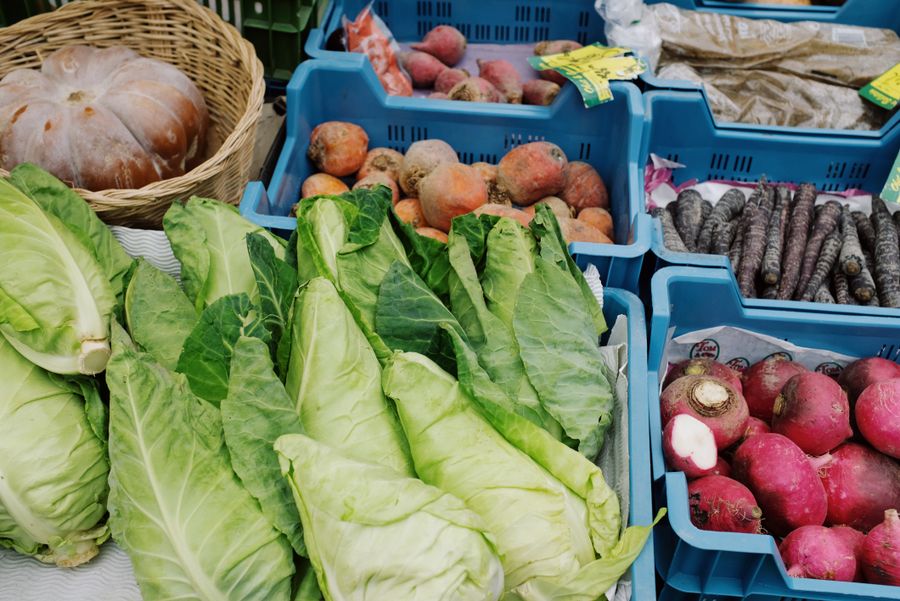
Children eat what they have handled. Washing salad, tearing herbs, shelling peas, stirring something cold, choosing which vegetable comes home from the shop: all of it moves a food from "thing done to me" to "thing I know". It is slower, it is messier, and it works better than anything you can say at the table.
When to ask for help
Ordinary fussiness narrows over time and the child keeps growing. Worth raising with a GP, health visitor or dietitian: a diet that has shrunk to a handful of foods, whole food groups dropped for months, gagging or choking on textures, distress that goes well beyond dislike, or growth that has fallen off its usual line. That is not fussiness, and it responds to proper support rather than more patience.
This is general information about family meals, not medical or dietary advice for an individual child.