

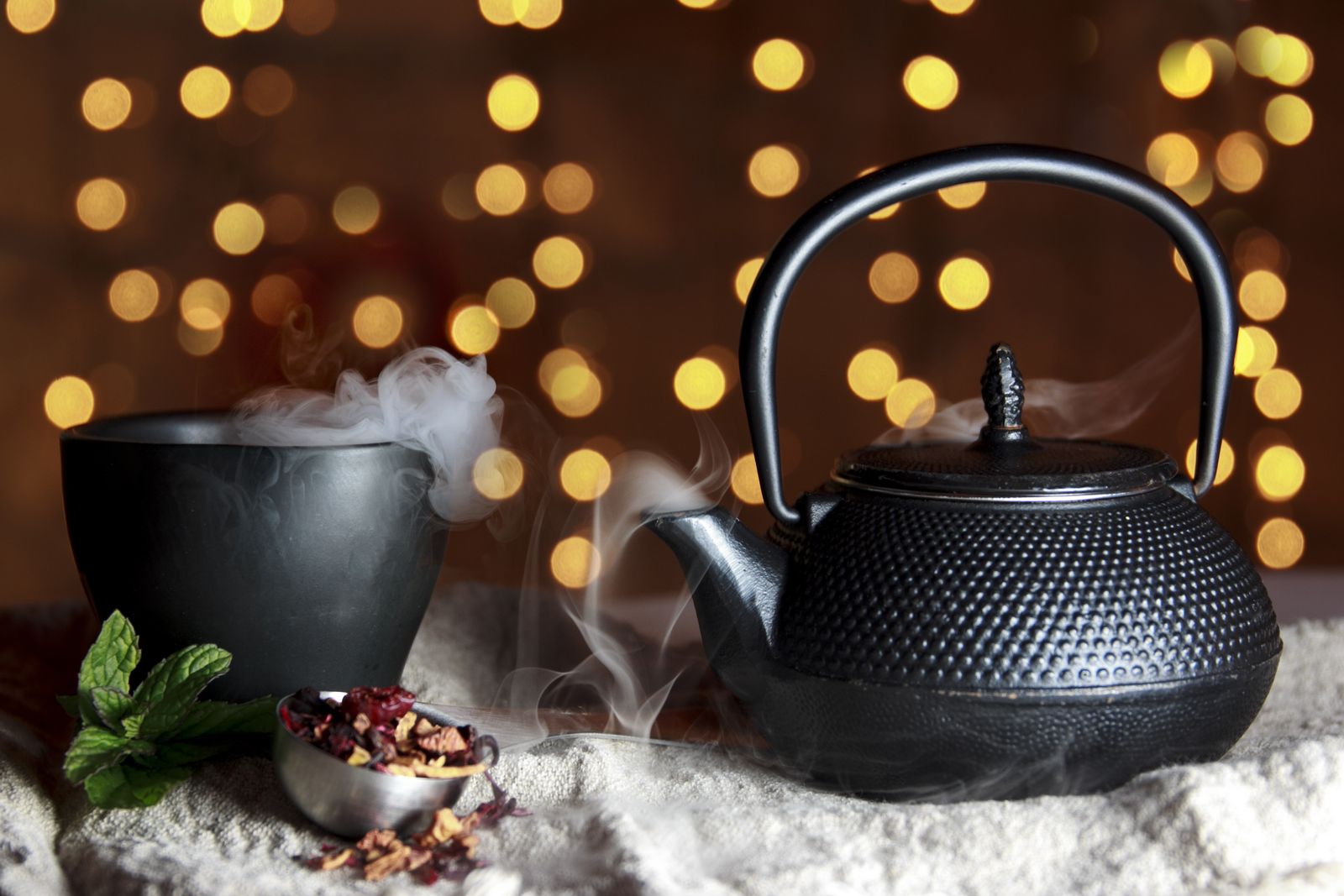
Tea is dried leaves and hot water, and most of what separates a good cup from a harsh one is how hot the water was and how long the leaves sat in it. Boiling water on green tea is the single most common mistake in the category.
Temperature by type
- Green: 70 to 80°C. Boiling water scalds the leaves and pulls out bitterness immediately.
- White: 75 to 85°C. Delicate, and easily overwhelmed.
- Oolong: 85 to 95°C, depending on how oxidised it is.
- Black: 95 to 100°C. This is the one that genuinely wants boiling water.
- Herbal and rooibos: boiling, and longer than you think.
No thermometer? Boil the kettle and let it stand: roughly two minutes off the boil gets you near 90°C, five minutes near 80°C. Or add a splash of cold water to the pot before the leaves.
Time, and why the bag lies
Green tea: one to two minutes. Black: three to four. Oolong: three, and it will take several more infusions. White: three to five, gently. Herbal: five or more.
Leaving a teabag in the mug while you drink is the other classic error. The tannins keep extracting, and the last third of the cup is astringent. Take the bag or the leaves out when the time is up.
Leaf, and room to move
Most cheap teabags contain "dust and fannings": the small broken bits left after grading. They brew fast and strong, which is why builder's tea works, and they lose the aromatic subtlety entirely.
Whole leaves need space to unfurl. That is the actual argument for loose leaf, and it is also why a roomy basket infuser beats one of those tiny mesh balls that squeezes the leaves into a lump.
Rough guide: 2 to 3g of leaf per 200ml of water, which is about a heaped teaspoon. Weigh it once and you will know what it looks like forever.
Water matters more than people expect
Very hard water dulls tea and leaves a scum on the surface; very soft water can make it taste thin. Filtered water usually improves both. Freshly drawn water tastes better than water reboiled several times, which has less dissolved oxygen and tastes flat.
Matcha is a different thing entirely
Matcha is powdered leaf whisked into water, so you drink the leaf rather than an infusion. That means the water must be cooler, around 70 to 80°C, and the whisking matters.
Sift about 2g into a wide bowl, add a splash of water to make a paste, then 60 to 70ml of water and whisk briskly in a W shape until a fine foam forms. Lumps come from not sifting; bitterness comes from water that was too hot or powder that is old and dull green rather than vivid.
Ceremonial grade is meant for drinking straight; culinary grade is for lattes and baking, where the milk and sugar cover its rougher edges.
Storing tea
Airtight, dark, cool, and away from anything aromatic. Tea absorbs smells readily, which is why it should not live next to the coffee or the spices. Green tea goes stale fastest; buy it in small amounts and drink it within a few months.
The habit worth building
Warm the pot or mug with a little hot water first and pour it away. It costs five seconds and stops the brewing temperature falling off a cliff the moment the water lands in cold ceramic. It is the smallest change here and one of the most noticeable.