

An air fryer is a compact convection oven with a strong fan and a small chamber. No frying is involved. Once you accept that, its behaviour stops being surprising: it heats fast, it moves a lot of air, and the small space means food dries and browns quickly.
That combination is superb for some jobs and actively bad for others.
What it is genuinely good at
Anything that wants a crisp exterior
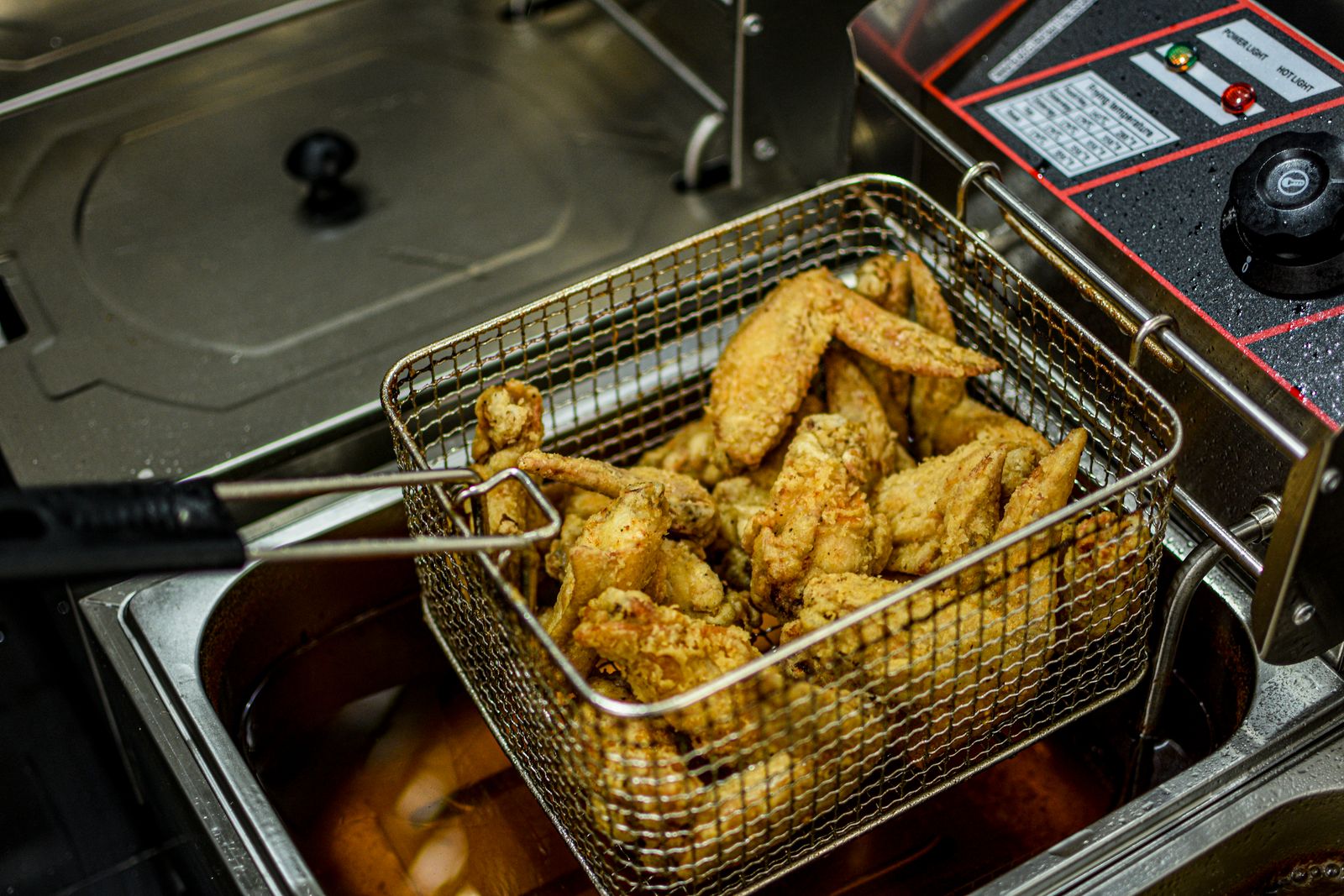
Frozen chips, breaded things, chicken wings, halloumi, tofu cubes, gnocchi, chickpeas. Food with a dry surface and a bit of fat crisps beautifully, faster than a full oven and without preheating a large cavity for twenty minutes.
Reheating
The underrated case. Leftover pizza, roast potatoes, fried chicken and pastry come back crisp instead of soggy, which a microwave can never manage. Five minutes at around 180°C fixes most leftovers with a crust.
Small roasting jobs
Half a tray of vegetables for one or two people. Broccoli, cauliflower, carrots, sprouts, all with charred edges in about fifteen minutes. Dry heat concentrates flavour the way a hot oven does.
Single portions
Cooking for one is where it earns its counter space. Heating a 60-litre oven for one salmon fillet wastes both energy and time.
What it ruins
Anything wet
Batter drips through the basket and burns on the element. Marinades with a lot of liquid steam instead of crisping. Saucy dishes end as a coated basket and a disappointing dinner. Pat things dry and keep marinades thin and oil-based.
Light, loose food
The fan is strong enough to lift leaves, breadcrumbs and grated cheese onto the element, where they burn and smoke. Weight them down or skip it.
Large cuts of meat
A whole chicken technically fits in a large model, but the outside dries long before the inside is safe. Anything that wants slow, even heat belongs in the oven.
Delicate baking
Cakes and anything with a soft rise get pushed around by the fan and cooked unevenly from the top. Small sturdy bakes can work; a sponge will not.
Big batches
The basket looks roomy and is not. Overload it and the air stops circulating, so everything steams. Half full is the honest capacity, which is why cooking for four often means two rounds and a slower dinner than the oven would have given you.
Settings that fix most complaints
- Preheat, briefly. Three minutes. Food dropped into a cold basket sits in warming air and dries before it browns.
- Use less oil than you think, but use some. A teaspoon tossed through a portion of vegetables is the difference between crisp and leathery.
- Shake or turn halfway. Airflow is not uniform and the bottom of the basket runs hotter than the top.
- Drop oven temperatures by about 20°C and check early. Air fryer times run shorter than fan-oven times for the same dish.
- Clean the basket and the element. Burnt residue is where the smoke and the off flavours come from.
Does it save energy?
For small portions, usually yes: far less air and metal to heat, and no long preheat. For a family meal cooked in two batches the advantage narrows or disappears. Treat it as a small-portion appliance and the energy case holds; treat it as an oven replacement and it does not.
Worth the counter space?
If you cook for one or two, reheat often, or eat a lot of things that want a crust, it will be used constantly. If you cook large meals for a family, it is a second oven that can only handle side dishes. Neither answer is wrong. The mistake is buying it expecting the other one.